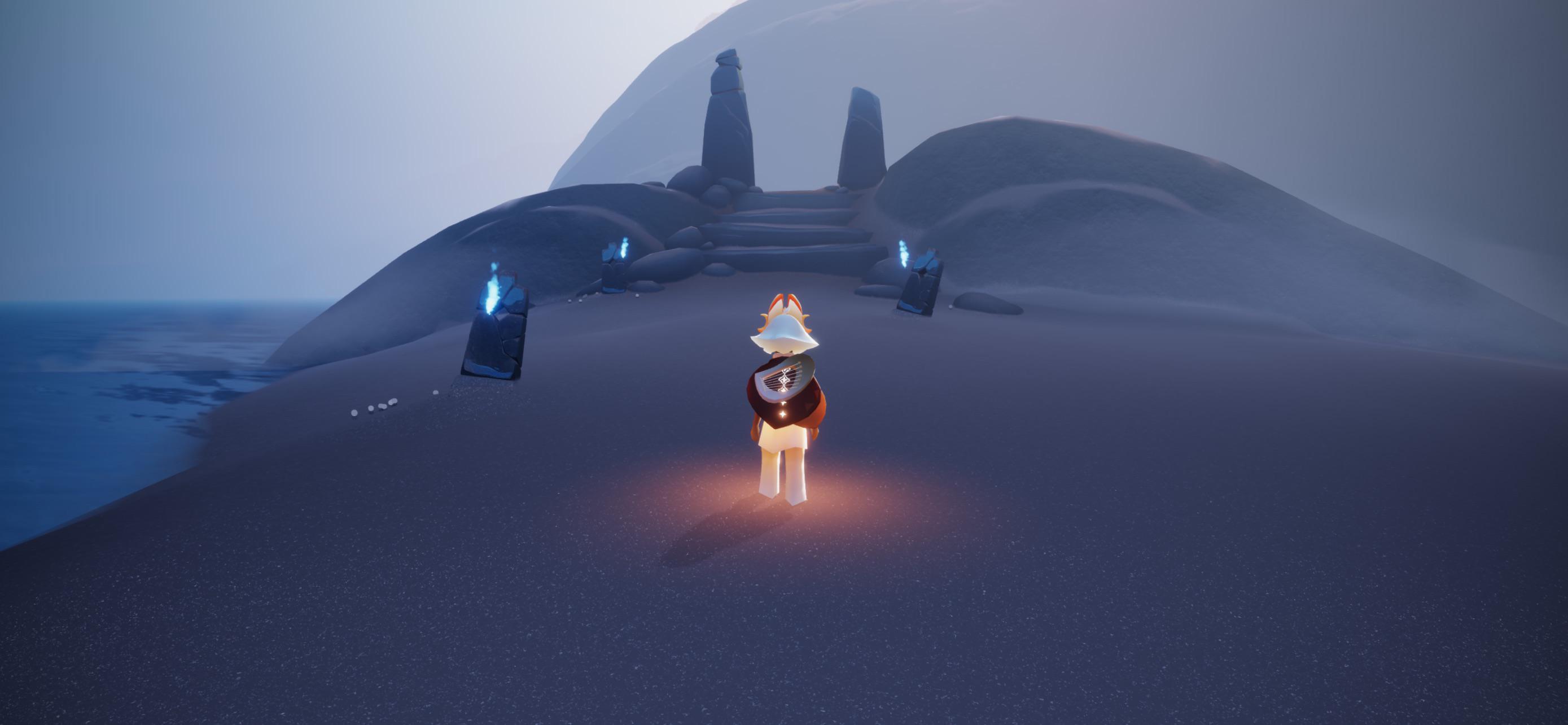
What You Didn’t Know About Sky: Children of the Light’s Development
Sky: Children of the Light, the enchanting multiplayer adventure from Thatgamecompany, has captivated millions with its breathtaking visuals and emotional storytelling. But behind its serene landscapes lies a development journey filled with creativity, challenges, and groundbreaking decisions. Here’s a deep dive into the untold stories of how this indie gem came to life.
1. The Vision: A Spiritual Successor to Journey
The team at Thatgamecompany, known for Journey and Flower, aimed to create a game that expanded on their signature themes of connection and wonder. Sky was conceived as a “social MMO” where players collaborate rather than compete. Lead designer Jenova Chen wanted to evoke the same emotional resonance as Journey but on a larger scale, blending exploration with shared experiences. Early prototypes focused on testing how players could communicate without words—a concept that evolved into Sky’s iconic gesture-based interactions.
2. Technical Challenges of a Mobile-First Design
Unlike the studio’s previous console titles, Sky was developed primarily for mobile devices. This shift required reimagining controls and performance optimization. The team spent years refining touch-based flight mechanics to feel intuitive, even testing prototypes on low-end smartphones to ensure accessibility. Additionally, rendering vast, seamless worlds without loading screens pushed the limits of mobile hardware, leading to innovations in dynamic lighting and cloud-based rendering.
3. Building a World Inspired by Real Cultures
The game’s seven realms draw inspiration from global mythologies and real-world locations. For example:
- The Daylight Prairie mirrors the lavender fields of Provence.
- The Valley of Triumph was influenced by Himalayan landscapes.
Artists traveled to places like Iceland and Japan to capture natural light patterns, which were then replicated in-game to create immersive atmospheres. This cultural mosaic reflects the studio’s mission to foster unity through shared beauty.
4. The Role of Player Feedback in Shaping Updates
Sky’s live-service model relies heavily on community input. Early beta testers helped refine features like the “Candle” economy and seasonal events. For instance, the popular “Season of Sanctuary” update introduced pet-like creatures called “Mantas” after players requested more interactive companions. Developers also host in-game “Town Hall” meetings to discuss upcoming content, making the community feel like co-creators of the experience.
5. Sustainability and Ethical Monetization
Thatgamecompany prioritized ethical monetization to avoid pay-to-win mechanics. Instead of ads or loot boxes, Sky uses a cosmetic-based system where players purchase “Season Passes” or virtual items to support ongoing development. A portion of proceeds also funds environmental charities, aligning with the game’s themes of stewardship—a detail many fans appreciate but rarely discuss.
Conclusion: A Testament to Artistry and Collaboration
Sky: Children of the Light’s development is a story of ambition, technical ingenuity, and heartfelt storytelling. From redefining mobile gaming limits to fostering a global community, Thatgamecompany crafted a world that transcends traditional gameplay. Whether you’re a veteran player or new to the skies, understanding its creation adds depth to every flight through its luminous realms.
Ready to explore? Dive into Sky and discover why its development journey is as inspiring as the game itself. 🌟
Keywords: Sky: Children of the Light development, Thatgamecompany behind the scenes, mobile game design innovations, Sky COTL cultural inspiration, ethical game monetization, multiplayer MMO mechanics, Jenova Chen game design.
